


How to get ready for the new cycling season after winter
30. March 2026
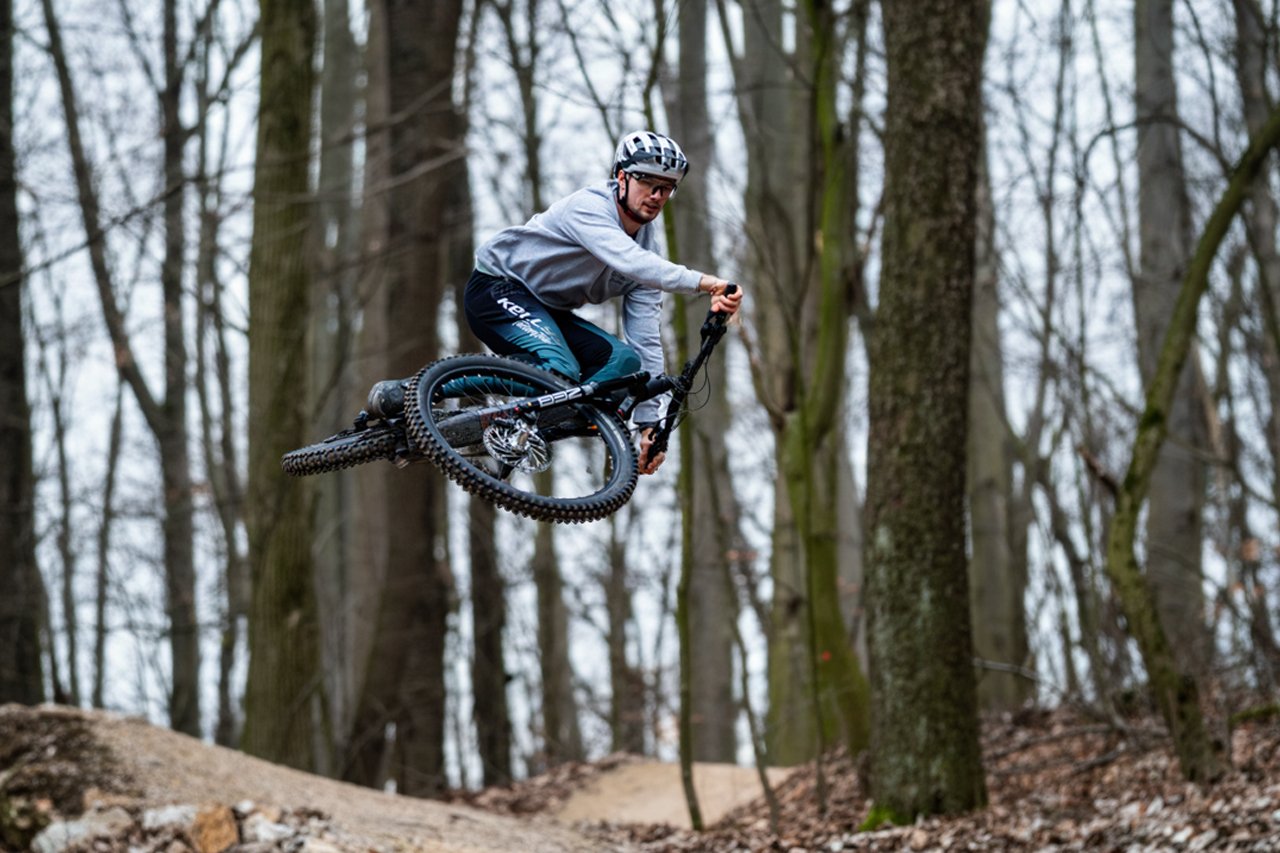
Spring is the perfect time to get back in the saddle. Here’s how to prepare your bike after winter, regain confidence on the trail, and gradually rebuild your fitness for the new cycling season.
Warmer days invite the first rides of the year,
and many cyclists start thinking about how to prepare as best as possible
for the upcoming cycling season. Regardless of whether you rode during the
winter, focused on other sports, or took a break, your return to the bike
should be gradual and intentional. In this article, we look at how to prepare
your bike after winter, how to regain confidence while riding, and how to
rebuild your fitness before the season begins.
1. Check your bike before the first ride
If you want to prepare well for the cycling
season, start with a thorough bike check. Many riders underestimate this
part, yet the technical condition of the bike greatly affects both safety and
comfort. The most common mistake is failing to check tire pressure, fork
pressure, and rear shock pressure. After a few weeks of inactivity, tire
and suspension pressure will almost certainly be lower than the last time you
rode.
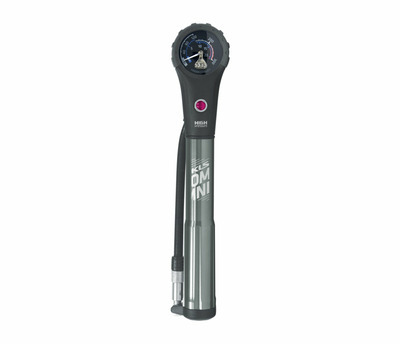

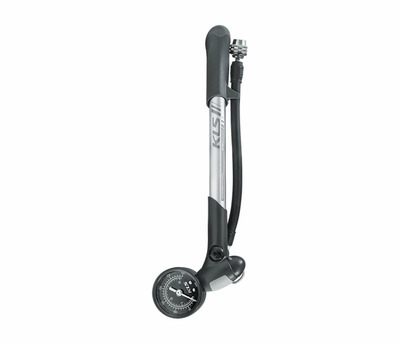
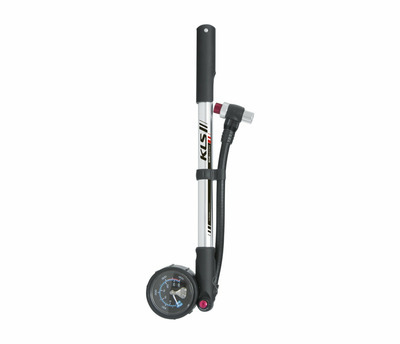
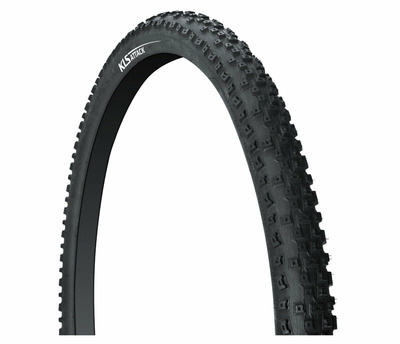
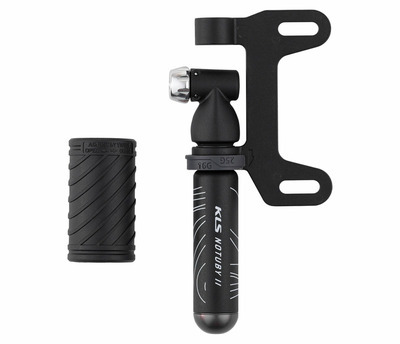
Start with checking tire pressure. If you
ride a mountain or trail bike, also check air pressure in the fork and rear
shock. After a long break, it’s normal for the pressure to drop. If you use
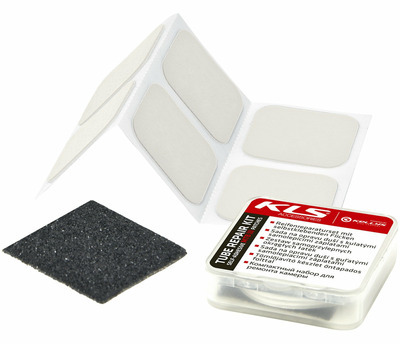
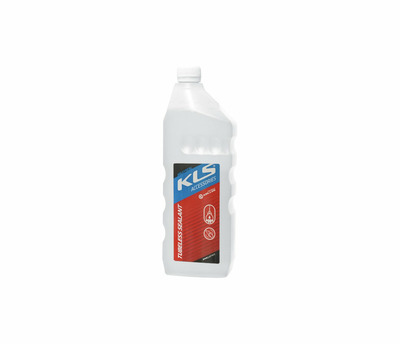
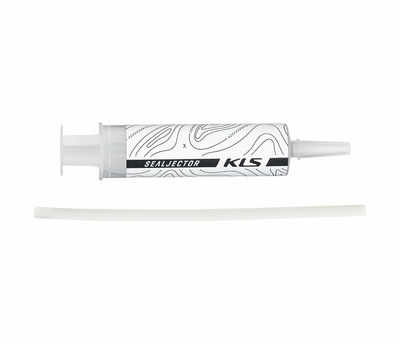
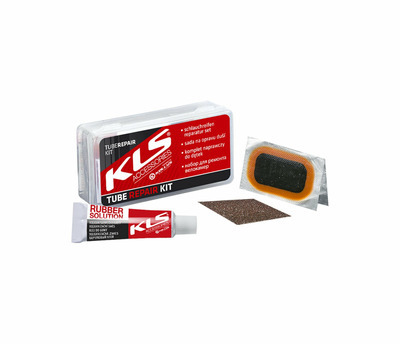
tubeless tires, check the sealant level as well – after winter, it may be dried
out or less effective, reducing its ability to seal punctures.
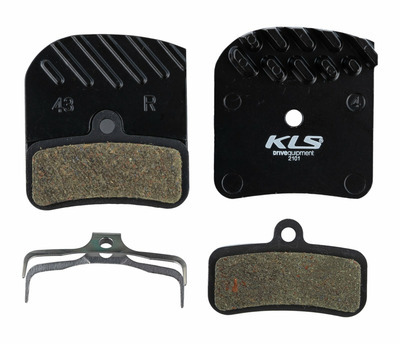
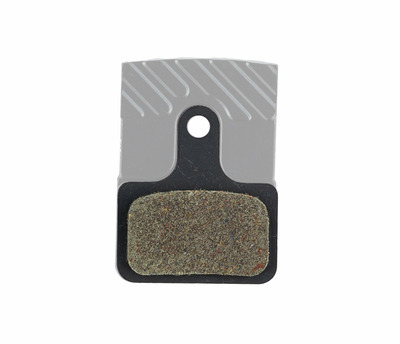
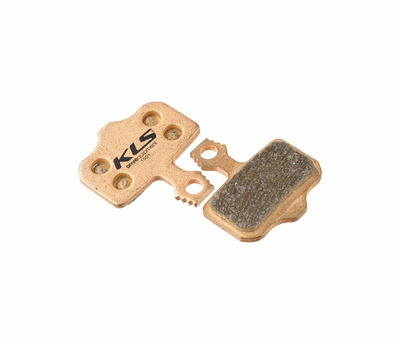
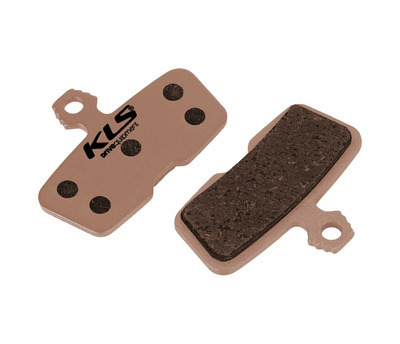
Don’t forget to check the brakes. After a
longer pause, they may need a few harder stops to return to full performance.
Sometimes they need a few downhills or longer braking sessions to “wake up” and
function as expected.
Check your shifting. Inaccurate shifting
or chain skipping can ruin even a short ride.
Also check the chain. If it’s dry or
dirty, clean and lubricate it.
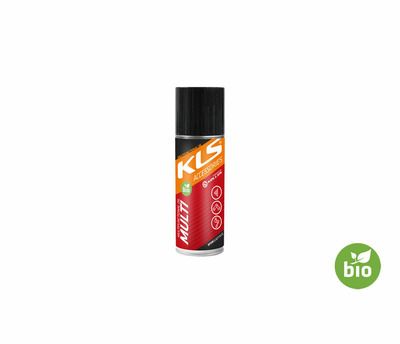

If you have an e bike, it’s a good idea to check the battery level the day before.
What to check on your bike after winter:
- tire pressure,
- fork and shock pressure,
- condition of tubeless sealant,
- brake performance,
- shifting accuracy,
- chain cleanliness and lubrication,
- battery level (for e bikes).
2. Return to the saddle gradually
After winter, it’s natural for both your body
and technical skills to need time. To get back into riding safely, don’t
start with high intensity or long routes. In an ideal world, you’d pull
your bike out in spring, hop on, and everything would feel just like mid‑season.
Reality, however, is usually very different, and it takes a few days or rides
until both your body and bike feel “right” again. Patience pays off.
For road cycling, choose shorter rides, an easy
pace, and plenty of recovery time. The goal of the first rides is not
performance, but regaining confidence and comfort on the bike.
On trails, pick easier terrain at the start. Wet roots, mud, rocks, steep descents, or technical features can unnecessarily undermine confidence after a winter break. Wide forest trails, easy singletracks, or flow trails without big obstacles are a better choice.
Do you have a pumptrack nearby? It can be a great place for your first warm up rides. It helps you rediscover bike feel, balance, and gradually rebuild riding habits.
3. Pre‑season fitness is just as important as bike handling
Preparing for the cycling season isn’t only about the bike. Your physical condition also plays a big role. Your spring fitness depends on what your winter looked like – some people ride year round, others switch to different sports, and some take a full break.
If you’re starting the season with lower fitness, short and regular rides will help. They allow your body to adapt gradually and reduce the risk of overuse injuries. Building fitness gradually works far better than starting the season with excessive intensity.
Alongside riding, it’s helpful to include supplementary training. Strengthening your legs, core and improving mobility contribute to stability, riding technique, and comfort. Stretching and recovery are equally important.
Good fitness improves performance, boosts confidence on the bike, and helps you handle longer or more demanding routes. On e bikes, better fitness also means more efficient battery use and increased range.
4. Don’t underestimate safety and comfort
The start of the season is also a good moment to
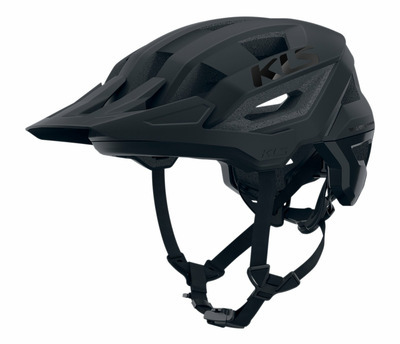
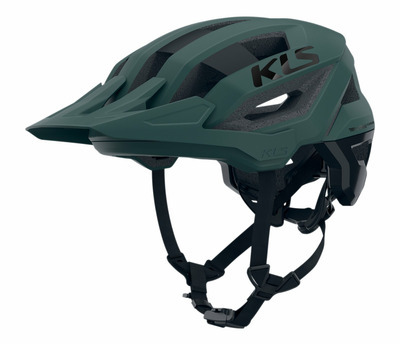
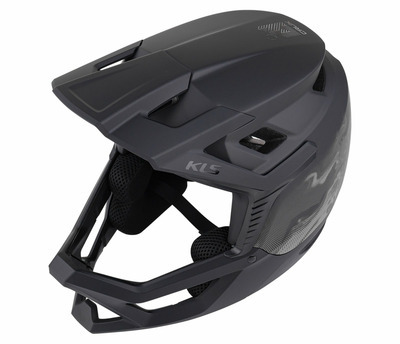
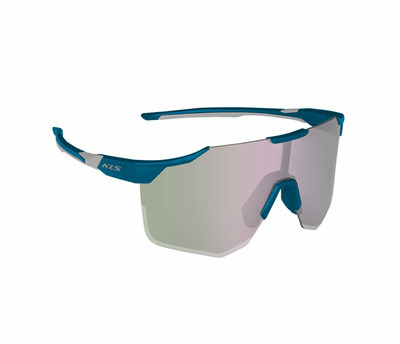
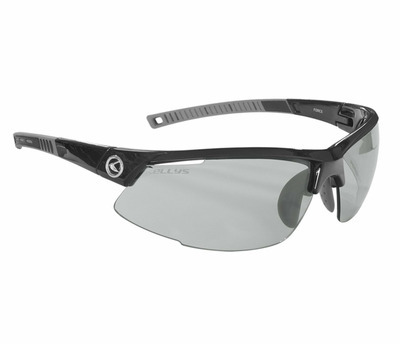
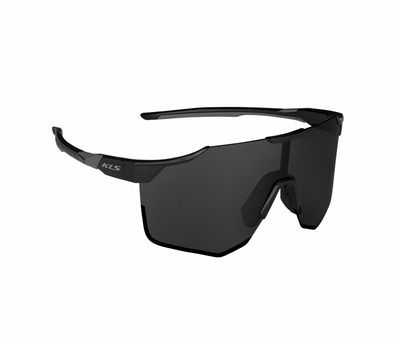
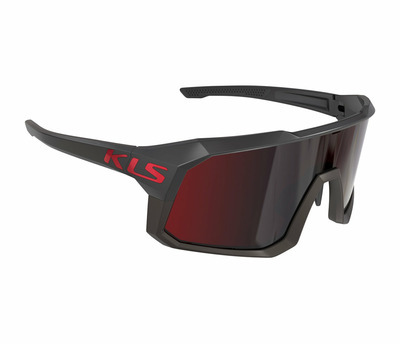
check your gear. Look at the condition of your helmet, gloves, glasses, and
clothing suitable for variable spring conditions. Weather can change quickly,
so good layering and wind protection are important.
Hydration and basic nutrition during rides also matter. Even a short ride can be more demanding on the body after winter than it appears.





Preparing for the cycling season is worth it
If you want to return to cycling after winter
safely and with a good mood, focus on three things: a well‑checked bike, a
gradual return to riding, and rebuilding fitness. These steps will help you
fully enjoy the new season, whether you ride road, trails, or an e‑bike.
There’s a big difference between starting almost
from scratch in spring, maintaining winter fitness, or following a structured
training plan. Frequent short rides can help your body “wake up” and adapt to
cycling‑specific effort. Combined with basic leg strengthening, core exercises,
and proper stretching, you’ll build a solid foundation for the rest of the
season.
Start smart, listen to your body, and give yourself time to get back in shape. A new season is ahead - enjoy it to the fullest. See you on the bike!