


How to choose the right kids’ and junior bike
27. April 2026
A practical guide for parents who want their child to fall in love with cycling - not be discouraged by it.
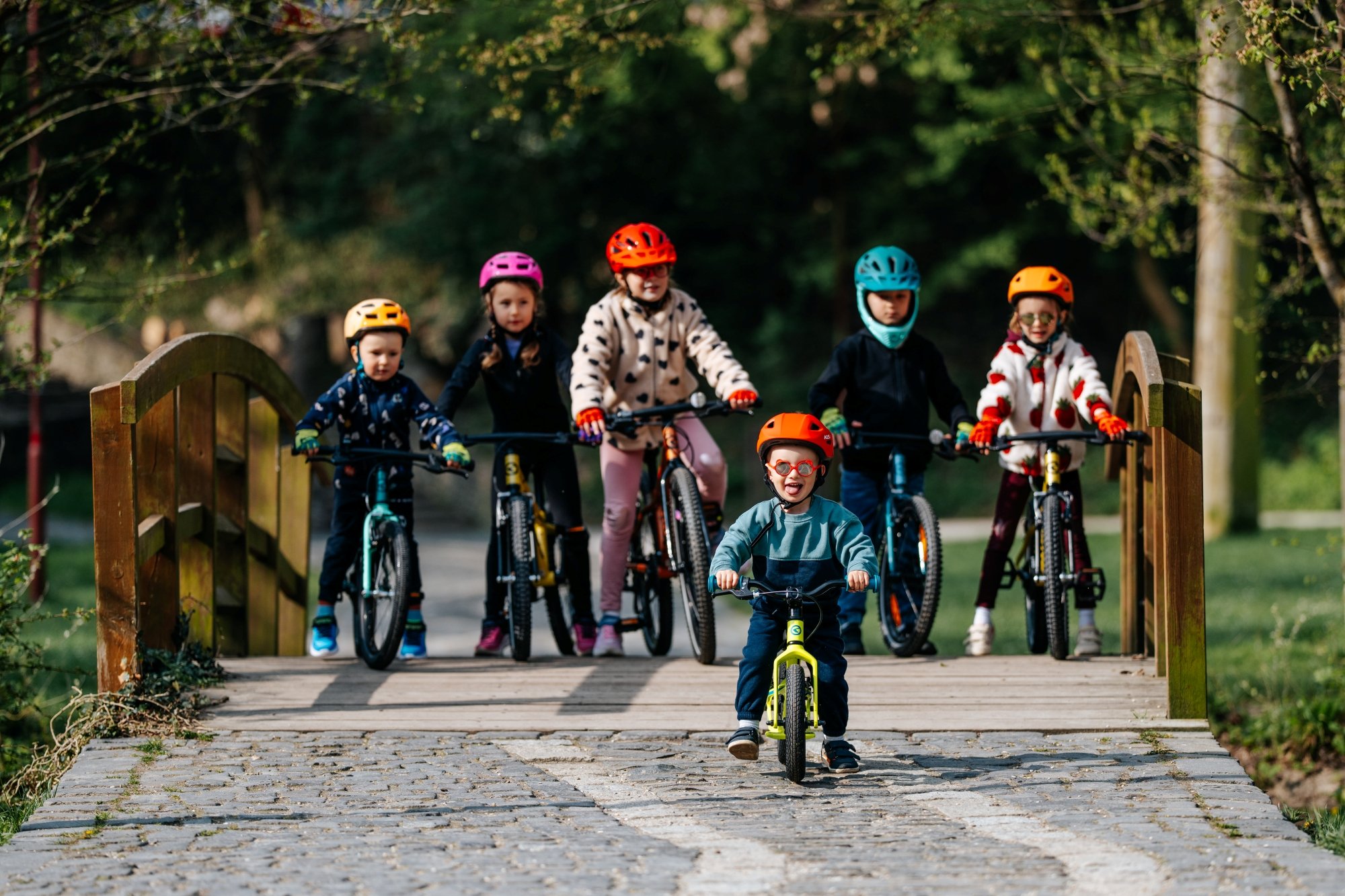
Imagine this: a fresh morning, a shiny new bike with a ribbon waiting outside the house. The child hops on excitedly - and within minutes pushes it aside, saying it’s too heavy, too big, just too much of everything.
It happens more often than parents think. Not because the child isn’t interested in being active, but because the bike simply doesn’t fit.
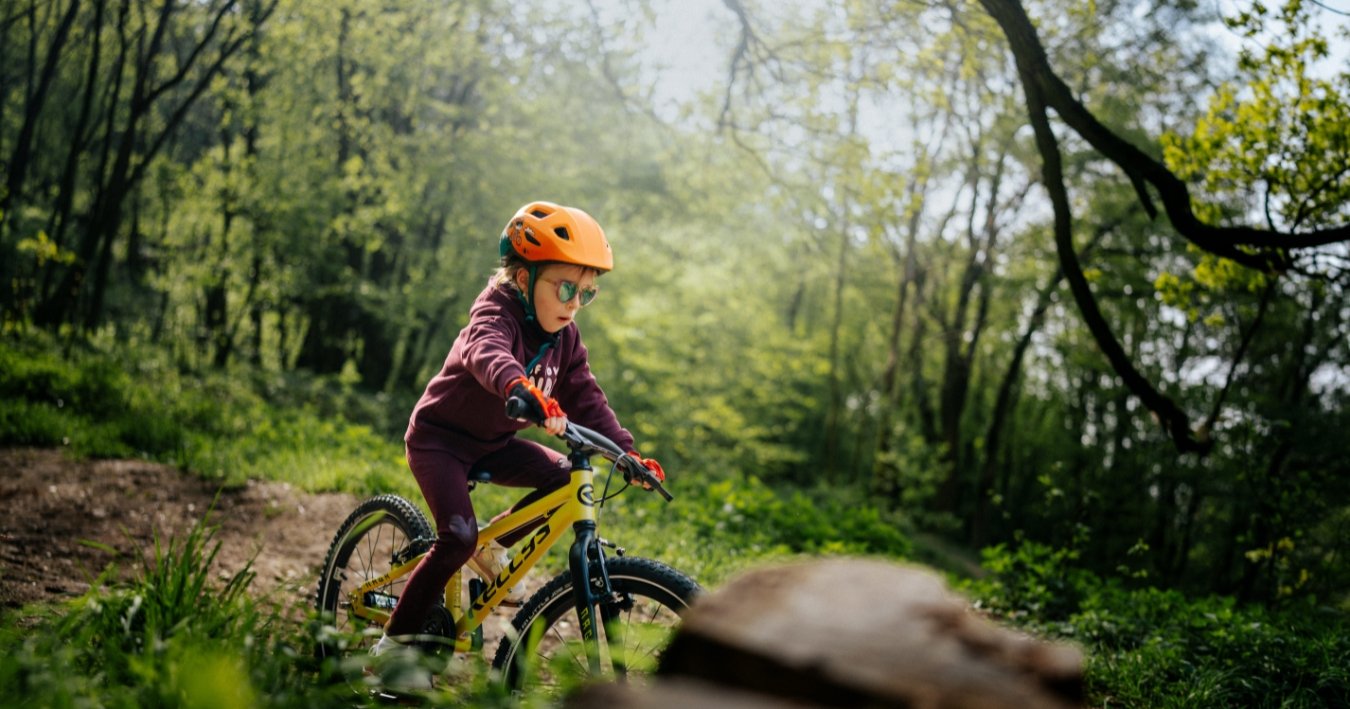
Choosing the right kids’ or junior bike isn’t just about what looks good at first glance. It’s an investment in movement, confidence, and the joy of riding. And the process is simpler than it seems - if you know what to focus on.
Size makes all the difference
The most common mistake? Buying a bike for the child to grow into. A bike that’s too big is hard to control, feels unstable, and quickly turns riding into frustration.
For kids’ and junior bikes, size is determined by wheel diameter and the child’s height. How do you navigate that?
- 16" - size for the youngest riders who are just learning the basics
- 18"- ideal for children with a height between 110 and 130 cm - this is where the transition from a kids’ bike to a junior bike begins
Key test: the child must be able to mount and dismount safely and naturally reach the handlebars and brakes. Not stretch for them, but confidently reach the ground.
Weight that parents tend to underestimate
What feels like no weight to an adult can be enough for a seven-year-old to give up riding after the first hill.
A heavy bike means trouble for both the child and the parent. Adults know the situation: the child drops the bike in the middle of town saying they want to walk. With a lightweight bike, at least your arm won’t give out from carrying it home.
With a heavy bike, children struggle to get moving, tire more quickly, and have less control. A child who feels overpowered by their own bike is far less likely to enjoy riding.
When choosing a bike, pay attention to frame weight, simple components, and the overall feel of the bike. Less material means more enjoyment.
Simplicity wins
Too many gears, heavy suspension, kickstands, or racks - it all sounds appealing. For younger children, one thing matters most: the bike should work simply and without overthinking.
A great kids’ or junior bike for a beginner should be:
- easy to get moving - without much effort
- reliable when braking - the child must have control over the bike
- intuitive to control - no guessing what does what
- durable enough - able to handle everyday adventures, as we know standing up to how kids treat their bikes is no small challenge
The simpler the ride, the faster children build confidence. And confidence on a bike is the foundation for everything that comes later.
Belt drive: an upgrade both you and your child will appreciate
If you haven’t heard of this yet, pay attention. A belt drive replaces the traditional chain. The result? A quiet, clean ride with no oil, no grease, and no need for regular maintenance.
For parents: no black marks on clothes. For kids: a bike that’s always ready to go. And perhaps the biggest bonus - automatic shifting. The child doesn’t have to think about which gear to use. The bike adjusts on its own.
KELLYS NAGA AIR BELT - for those who just want to ride
The NAGA AIR BELT range is built on one philosophy: the child should focus on riding, not on operating the bike. A belt drive made of rubber and carbon, an automatic two-speed Sturmey-Archer hub, and an ultra-light aluminum frame - a combination you don’t often find on a kids’ bike.
The practical result: no chain, no oil, no maintenance after every ride. Schwalbe tires with premium ADDIX compound ensure solid grip even on wet pavement. Reliable Tektro brakes and an ergonomic Selle Royal Explora Junior saddle take care of the rest.
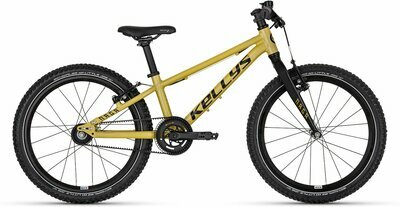

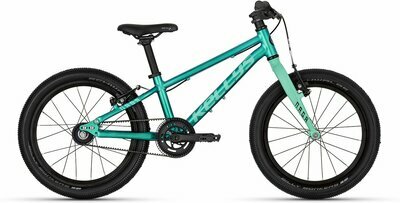
KELLYS NAGA AIR BELT 18
For riders 110 - 130 cm tall. Weighing just 6.96 kg - exceptionally low for a bike with automatic shifting and a belt drive. A bike that doesn’t need servicing - just hop on and enjoy the ride.
KELLYS NAGA AIR BELT 20
For young riders 120 - 135 cm tall who are moving up from an 18-inch bike or choosing it as their first. The same DNA: belt drive, automatic shifting, lightweight frame. A step forward without the complications of a chain.
When is it time for a junior bike?
When you notice your child can handle longer rides, no longer wants to just cycle around the house, and is starting to pick up the pace... it’s time for the next step.
A junior bike isn’t just a bigger bike. It’s a different category - with sportier geometry, better components, and closer to adult bikes. Still, it’s designed with a child’s proportions and strength in mind.
An 18" bike is an ideal transition choice, offering a solid balance of performance and safety.
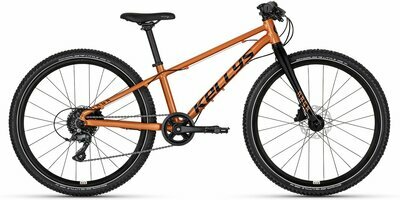
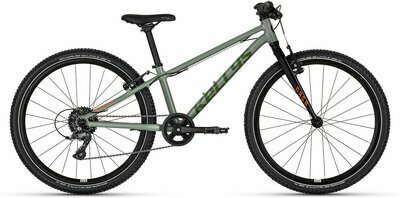
KELLYS NAGA AIR 70 DSC 24
Designed for kids who already have some riding experience and want to progress further. Lightweight construction, easy handling, and features suited for bike paths as well as light terrain. A bike that grows with their ambitions.
Key points to focus on when buying
- Size - the bike must fit today, not two years from now
- Weight - the lighter the bike, the more enjoyment and the less discouraging effort
- Control - brakes, handlebars, and riding position properly adjusted to the child’s height
- Build quality - so the bike can handle multiple seasons, frequent rides, and rough use
- Riding style - each type of terrain or ride length requires a different setup
How do you know you’ve chosen the right one?
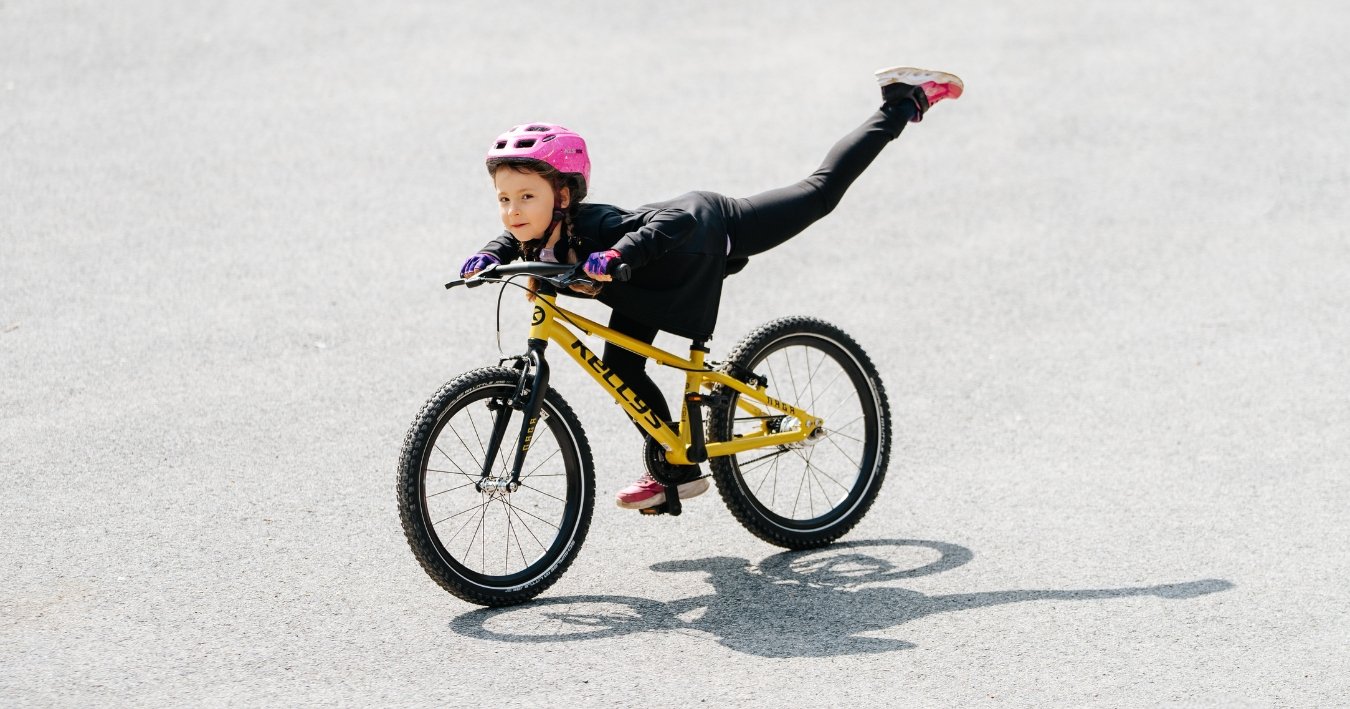
The answer is simple. When, after just a few minutes of riding, your child isn’t complaining but instead says with excitement, “Let’s go one street further!” - that’s when you know you’ve chosen right.
The right bike gives a child control, confidence, and the desire to explore. That’s the foundation everything else builds on - the first longer ride, the first hill, the first moment they realize a bike means joy and freedom.
KELLYS kids’ and junior bikes
Whether you’re looking for a first bike for a younger child or a more advanced junior model, KELLYS kids’ and junior bikes offer options designed specifically for young riders: lightweight, easy to handle, and durable.