


Caring for your electric bike (E-Bike): How to extend the life of the battery, motor, and components
15. July 2026
E-Bike maintenance tips for long-term reliability
Learn how to properly store, charge, and maintain your electric bike. Practical advice to help extend the lifespan of the battery, motor, and other key components.
Electric bikes have brought an entirely new dimension to cycling. They allow riders to travel farther, conquer more challenging climbs, and spend more time enjoying the ride. By combining a traditional bicycle with an electric motor, battery, and intelligent control systems, e-bikes have become a popular choice for both recreational and performance-oriented cyclists.
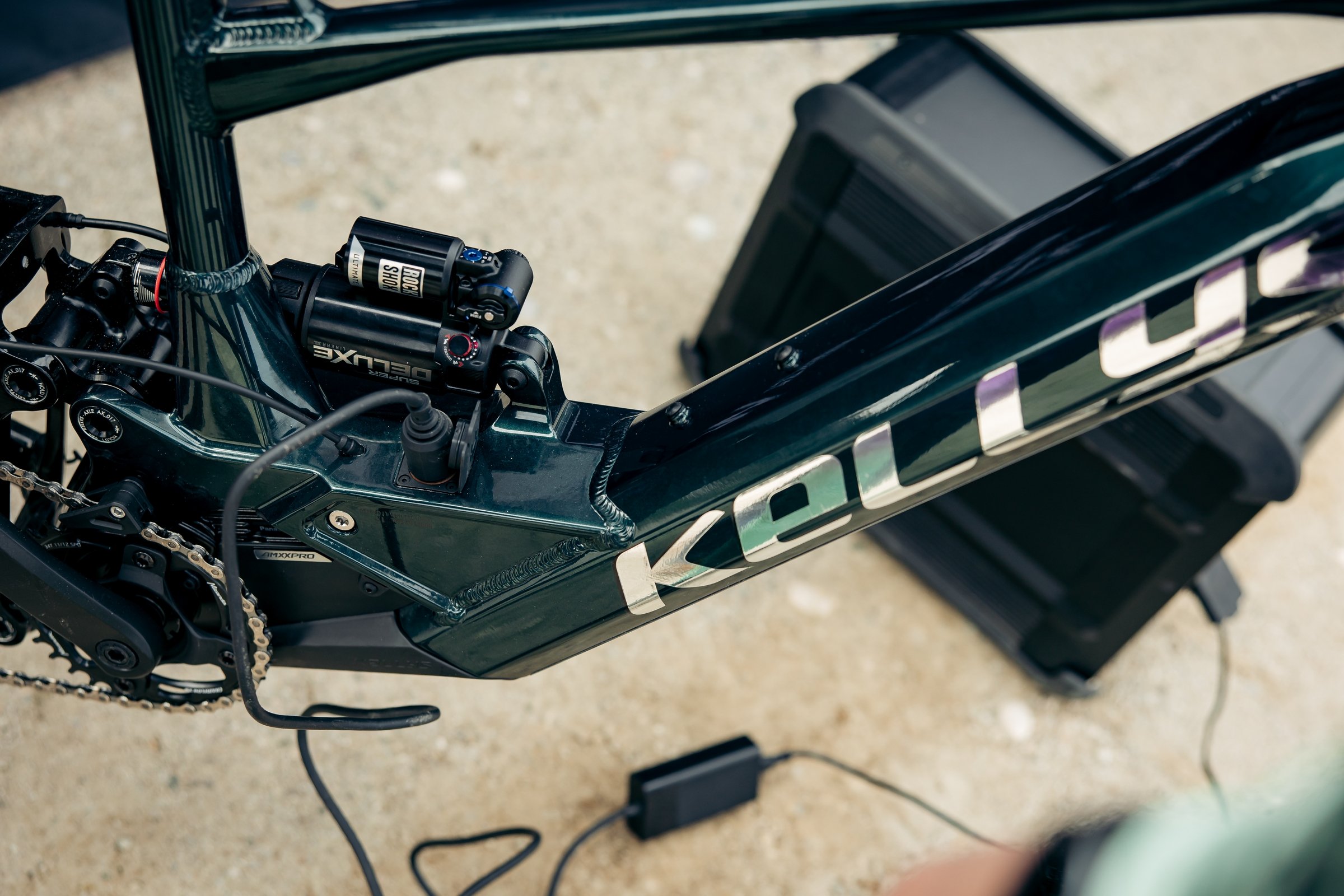
Whether you ride forest trails, cycling paths, or commute to work, proper e-bike maintenance is essential for ensuring reliability, safety, and long service life.
How to properly store an electric Bike
The battery is the most sensitive component of every e-bike, and its lifespan is heavily influenced by how it is stored.
If you know you will not be using your bike for several weeks or throughout the winter, it is recommended to leave the battery charged to approximately 40-60% of its capacity. Long-term storage at 100% charge or in a fully discharged state can negatively affect battery performance and longevity.
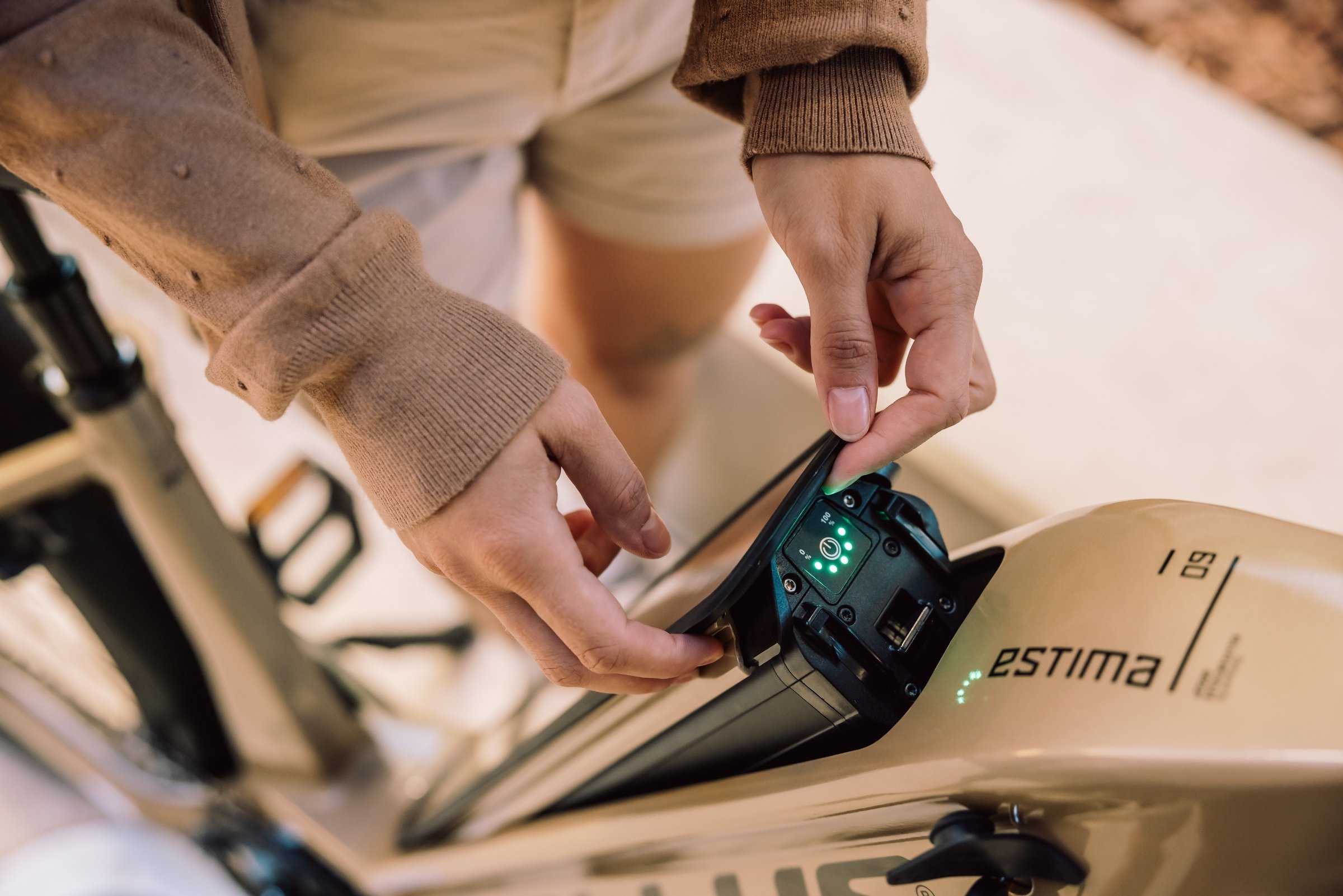
Avoid exposing the battery or the entire bike to extreme temperatures. Storing an e-bike in a hot car during summer or in an unheated area during severe winter conditions is not recommended. Excessive humidity can also be harmful.
If the bike's design allows it, remove the battery during extended periods of inactivity and store it indoors in a dry environment at room temperature.
Regular inspections save money and prevent problems
One of the greatest advantages of e-bikes is that they encourage people to ride more often. However, higher mileage also means faster wear of components.
Pay special attention to the drivetrain, including the chain, cassette, and chainring. A worn or stretched chain accelerates wear on other drivetrain parts, which are significantly more expensive to replace. Regular chain inspections can therefore help reduce maintenance costs considerably.
Brakes are essential for safe riding
The braking system is one of the most important parts of any bicycle—and this is even more true for e-bikes.
E-bikes are generally heavier than conventional bicycles and often reach higher average speeds. As a result, brake pads and rotors tend to wear out more quickly.
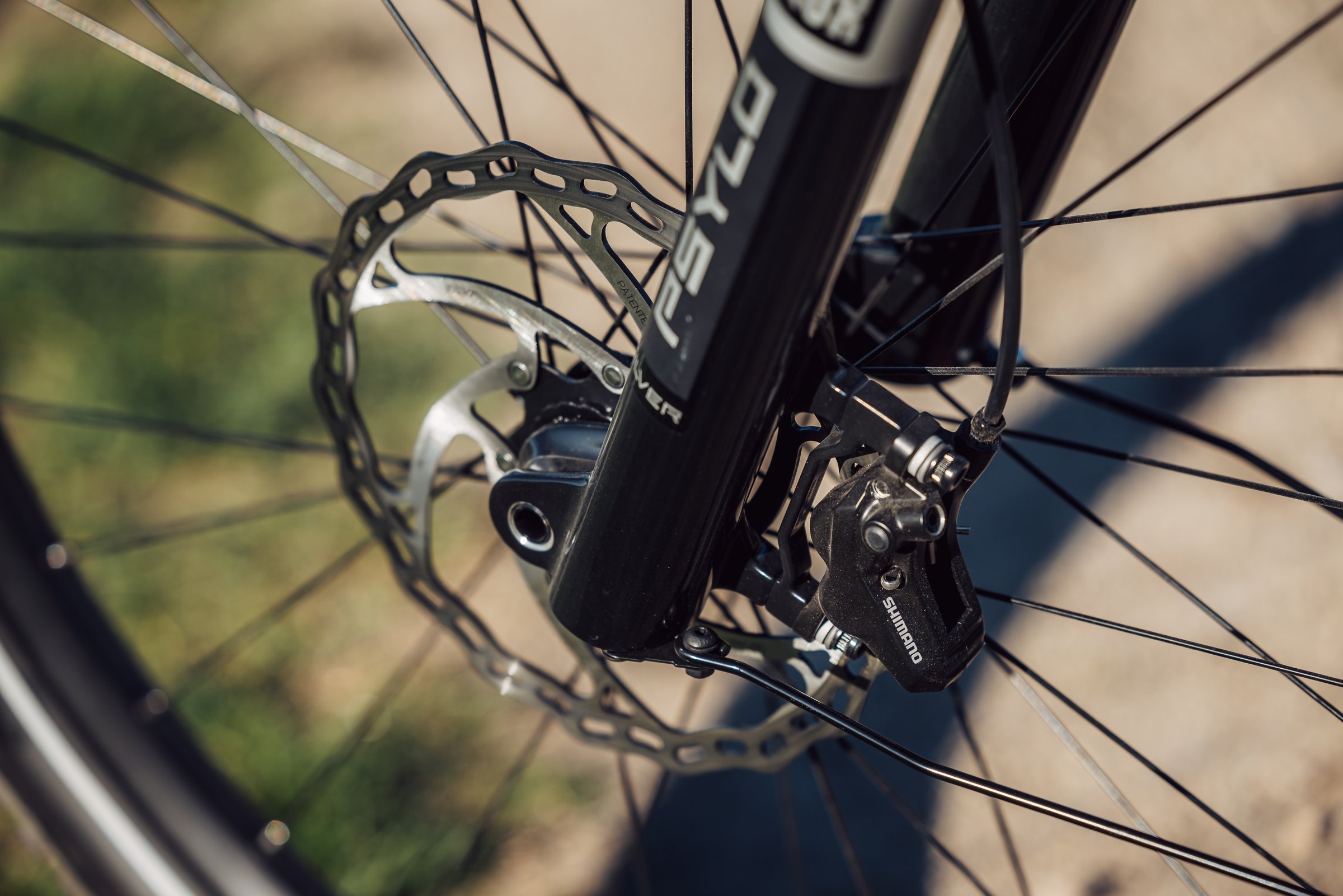
Common signs of brake wear include:
- Reduced braking performance
- Squealing or grinding noises
- Vibrations during braking
- Visible wear on brake pads or rotors
If you are unsure about the condition of your brakes, have them inspected by a professional bicycle service center.
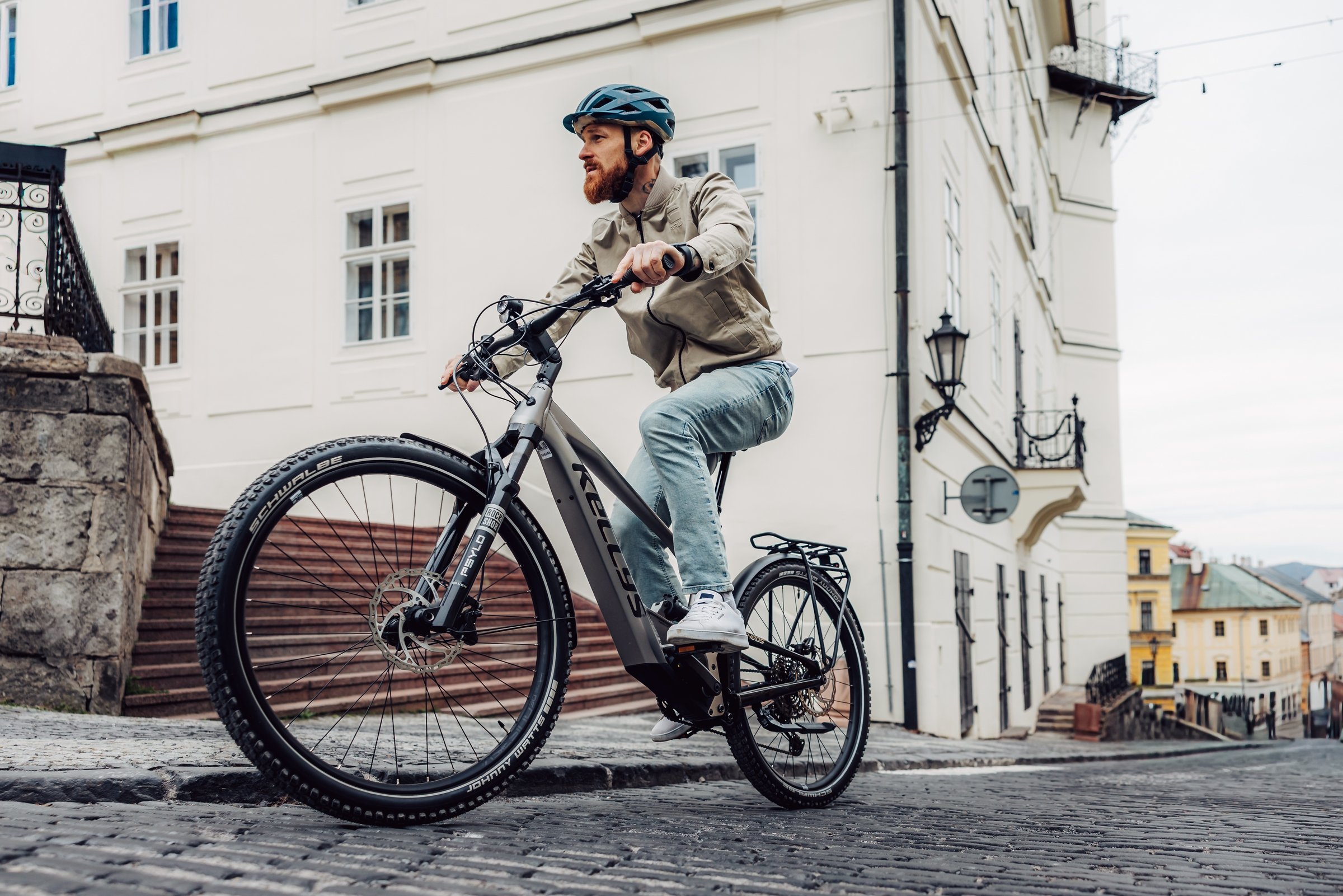
What to check before every ride
The same rule applies to e-bikes as it does to conventional bicycles: a quick pre-ride inspection takes only a few minutes and can prevent unpleasant surprises.
Before every ride, check:
- Tire pressure
- Brake functionality
- Chain cleanliness and lubrication
- Proper gear shifting
- Battery charge level
A well-prepared e-bike is more reliable and safer to ride.
When to visit an E-Bike service center
If an error message appears on the display, the motor behaves abnormally, or you suspect a problem with the battery or electronic system, avoid attempting repairs yourself.
Modern e-bikes use sophisticated electronics that can only be properly diagnosed by an authorized dealer or a well-equipped bicycle service center. Early diagnostics often prevent more serious and costly failures from developing.
Regular maintenance is worth the investment
E-bikes continue to evolve, offering new technologies, improved performance, and enhanced riding comfort. To keep your bike operating reliably for many years, simply follow a few basic principles: proper battery storage, regular drivetrain checks, brake inspections, and routine care of all major components.
Investing in preventive maintenance is always significantly less expensive than repairing a neglected bicycle. The reward is safer riding, lower service costs, and, most importantly, many trouble-free kilometers on the road or trail.
Frequently Asked Questions (FAQ)
How often should an e-bike be serviced?
A complete service is recommended at least once a year or every 1,500–2,000 kilometers (930–1,240 miles), depending on usage intensity.
What battery charge level is best for long-term storage?
Ideally, keep the battery charged to around 40–60% of its capacity.
Can I store my e-bike in a garage?
Yes, provided the garage is dry and temperatures do not remain far below freezing or rise to extremely high summer levels for extended periods.
How can I tell if my chain is worn?
The most accurate method is to use a chain wear gauge. Replacing the chain in time significantly extends the lifespan of both the cassette and chainring.